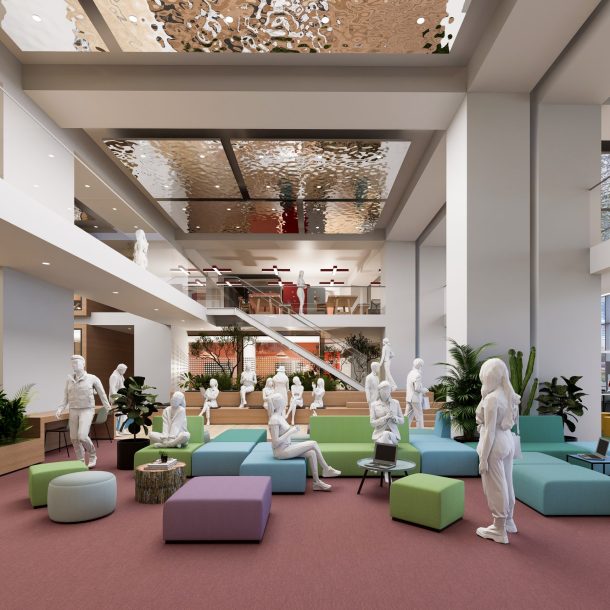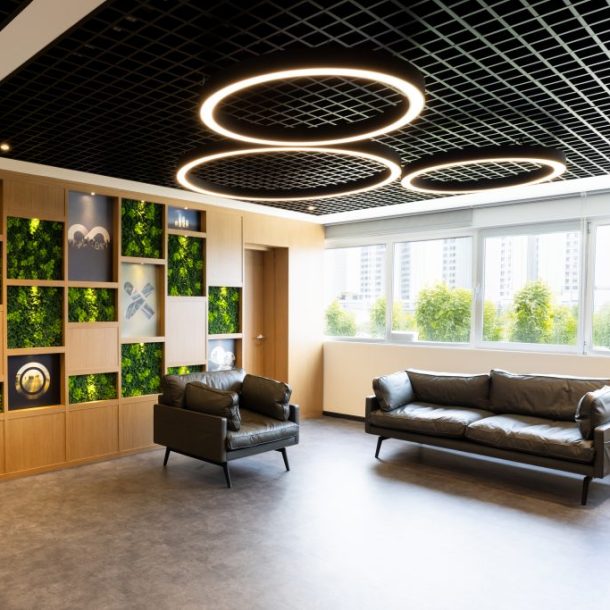

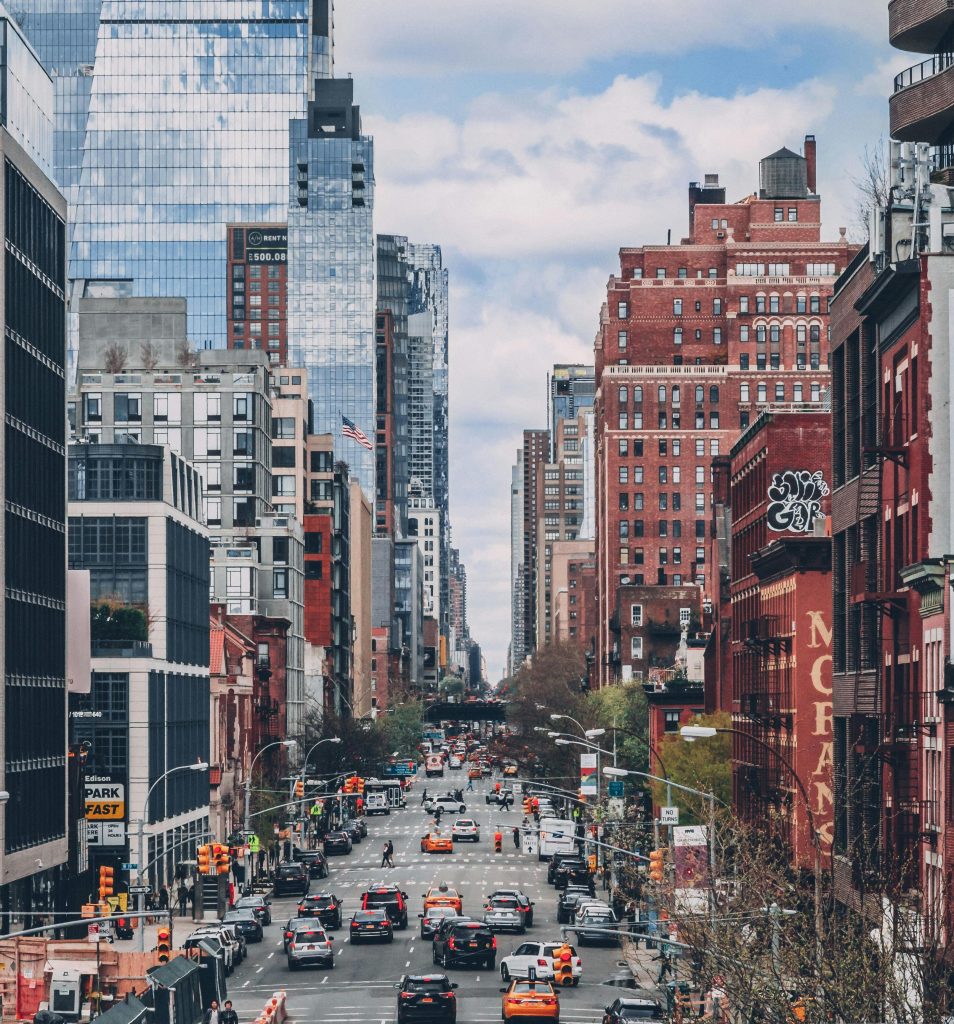
New York has long been regarded as the business capital of the world. However, the evolving work culture post-pandemic, increasing sustainability pressures, and rapid technological advancements are reshaping the commercial property market. By 2025, office leasing trends, hybrid working models, and smart building technologies have become key factors influencing corporate decision-making.
So, what has changed in the commercial property landscape, and what does the future hold?
In recent years, office leasing in New York has undergone a significant transformation. Occupancy rates in Trophy Class office buildings have increased by 11%, while leasing activity in B- and C-class properties has declined by 8%. Companies are no longer simply seeking office space; they are prioritising workplaces that enhance employee experience, are more sustainable, and are equipped with advanced technology.
Location has also become a more crucial factor. Employees increasingly want to avoid long and exhausting commutes, making proximity to public transport hubs a key consideration. Office locations with direct access to a single mode of transport are proving particularly attractive to businesses.
Currently, 58% of New York office workers are returning to the office for part of the week, yet only 12% are working full-time in the office. The vast majority prefer hybrid working models, fundamentally altering office design and utilisation.
✅ Flexible Workspaces – Fixed desks are being replaced with shared and modular spaces.
✅ Experience-Oriented Offices – Comfort, social areas, and inspiring designs are becoming essential features of modern workplaces.
✅ Digital Applications – Employees want to maximise their time in the office, leading to growing interest in smart applications that facilitate meeting room booking, building access, and service management.
At this stage, AI-driven feasibility tools such as Waitack are helping companies optimise their office space usage and accelerate strategic decision-making.
Waitack enables businesses to compare different office layouts and buildings, determining the most efficient placement of departments in large office spaces. By providing rapid feasibility analyses, it ensures that companies choose the right office solutions while minimising unnecessary space usage. Furthermore, it offers recommendations for optimising meeting rooms and common areas, contributing to a more sustainable, cost-effective, and employee-friendly office environment.
For businesses planning a new office, relocating, or restructuring their existing space, Waitack provides a crucial advantage in making fast, data-driven decisions.

Sustainability regulations in New York are becoming increasingly stringent. Local Law 97 mandates fines for office buildings with high carbon emissions, accelerating the shift towards greener and more energy-efficient properties.
🔹 The use of smart energy management systems is rising rapidly.
🔹 Offices that consume less energy and integrate nature-friendly designs are gaining popularity among both businesses and employees.
🔹 Employees now expect concrete sustainability initiatives from their employers, making green office policies a critical factor in talent attraction and retention.
Sustainability is no longer a choice—it is an imperative. Businesses looking to future-proof their offices must embrace innovative building automation systems and environmentally friendly infrastructure to remain competitive.

New York has the largest inventory of ageing commercial buildings in the United States. However, many of these properties are no longer suited to modern office requirements. So, what are the possible solutions?
🔹 Renovation and Modernisation – Instead of demolition, companies are investing in smart, sustainable upgrades to revitalise existing buildings.
🔹 Modular Improvements – Implementing small-scale, phased upgrades helps businesses avoid the high costs associated with major renovations.
🔹 New Investment Opportunities – Older office buildings that have lost value present significant opportunities for investors looking to repurpose them.
Technology is playing a vital role in these transformations. Smart building management systems not only enhance employee experience but also improve energy efficiency, making older buildings more competitive in the modern market.
New York’s commercial property market is undergoing a major shift. Companies are no longer just renting office space—they are investing in an experience. The key trends shaping the future of office spaces include:
✅ Offices integrated with smart building technology
✅ Flexible office designs suited to hybrid working models
✅ Sustainability and ESG compliance becoming essential requirements
✅ AI-powered office management applications optimising workspace efficiency
In this transformation, AI-driven feasibility solutions like Waitack enable businesses to make their real estate decisions more efficiently, ensuring their offices are more productive, sustainable, and employee-friendly.
If you are looking to optimise your office management and improve efficiency, now is the time to explore smart solutions! 🚀

Step into the future today with smarter, more sustainable, and more efficient offices!
📩 Contact us for more information. 😊
Source: smartspaces