
In the age of constant digital distractions, modern workspace solutions must evolve to protect employees’ cognitive focus. Creating an environment that fosters high-level productivity is no longer a luxury, but a strategic necessity. In this guide, we will explore how designing for deep work and mastering the architecture of concentration can revolutionize your team’s daily output.
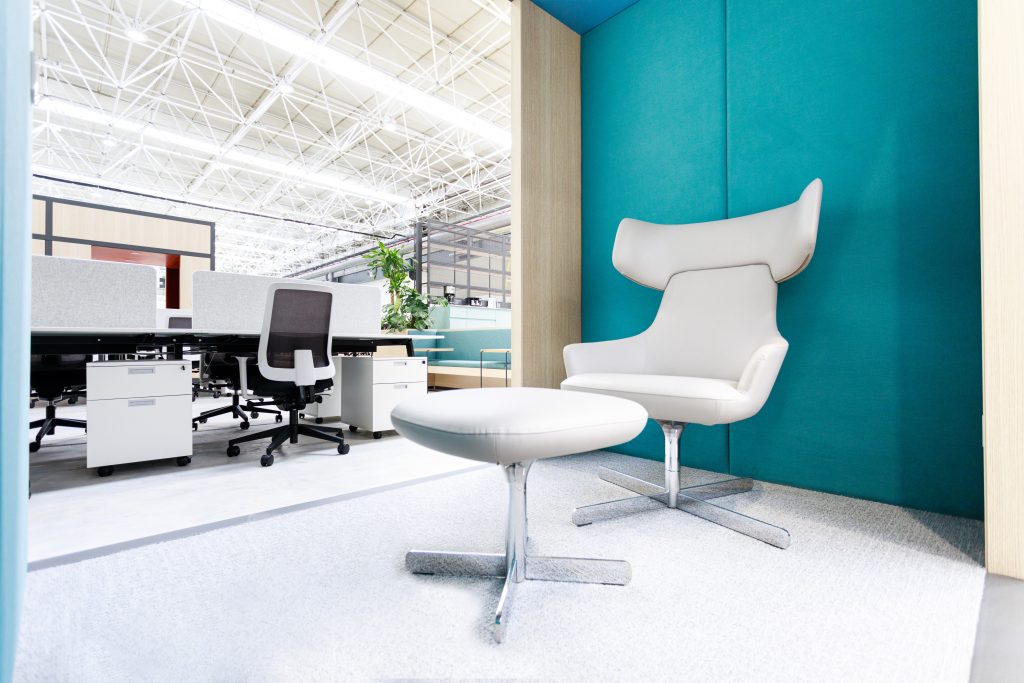
Open-plan layouts often fail because they ignore the fundamental laws of cognitive physics. The architecture of concentration requires dedicated acoustic zones where external noise drop to zero. Implementing soundproof privacy pods and acoustic ceiling baffles allows thinkers to immerse themselves fully in complex tasks without interruption.
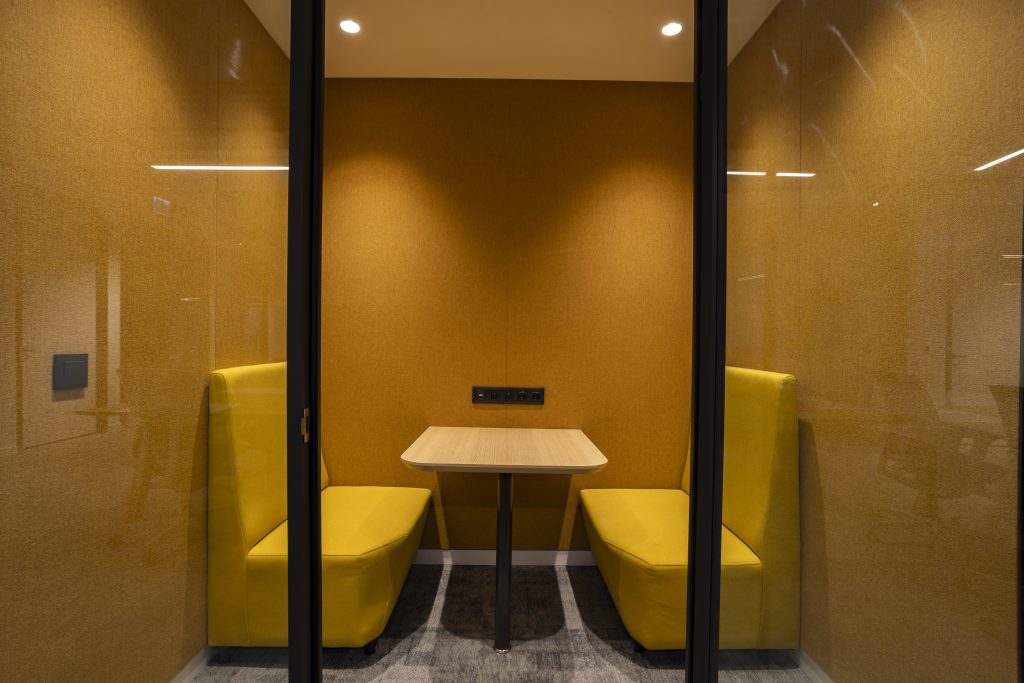
Employees need different spaces for different cognitive states. By integrating modular office furniture, companies can establish micro-environments tailored for distinct tasks. When learning how to design office for deep work, the secret lies in creating clear physical boundaries between high-energy collaboration zones and isolated focus sanctuaries.
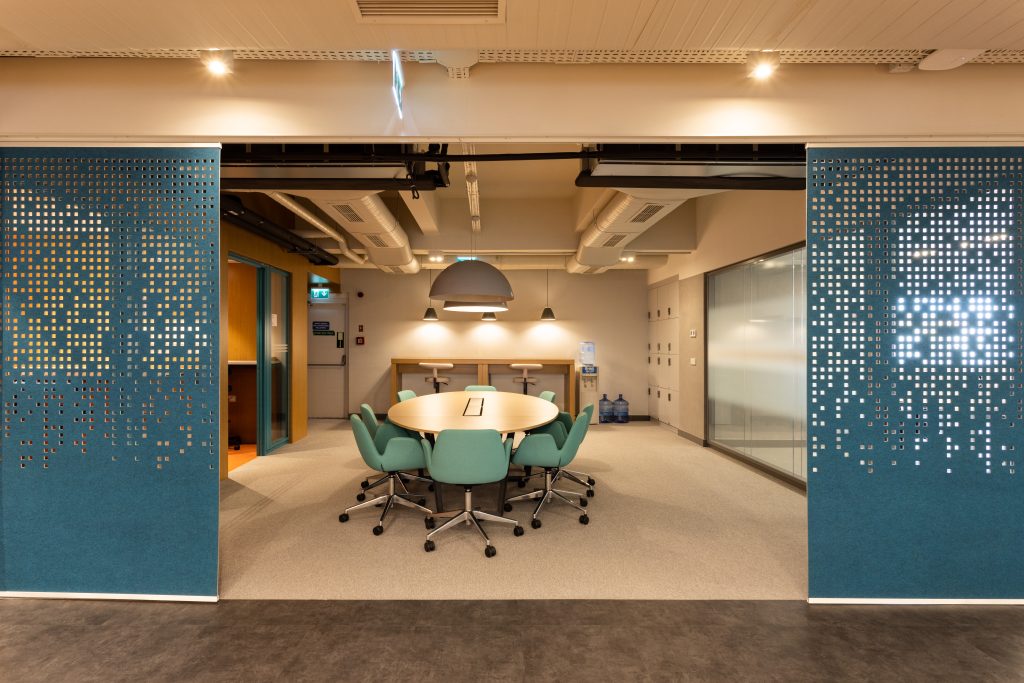
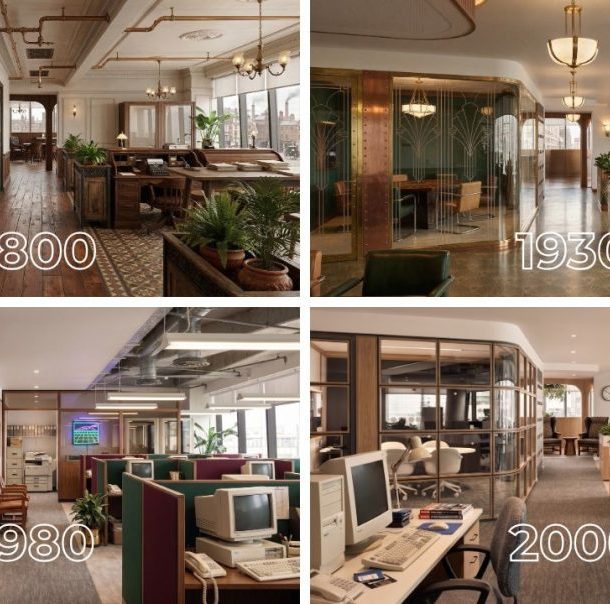
Nature has a profound impact on human attention spans. Integrating natural light and organic materials reduces mental fatigue significantly. Incorporating these specific office design trends 2026 ensures that when employees step away from deep focus, their brains recover faster—a design philosophy we explore through historical shifts in our article on The Evolution Of Office Design
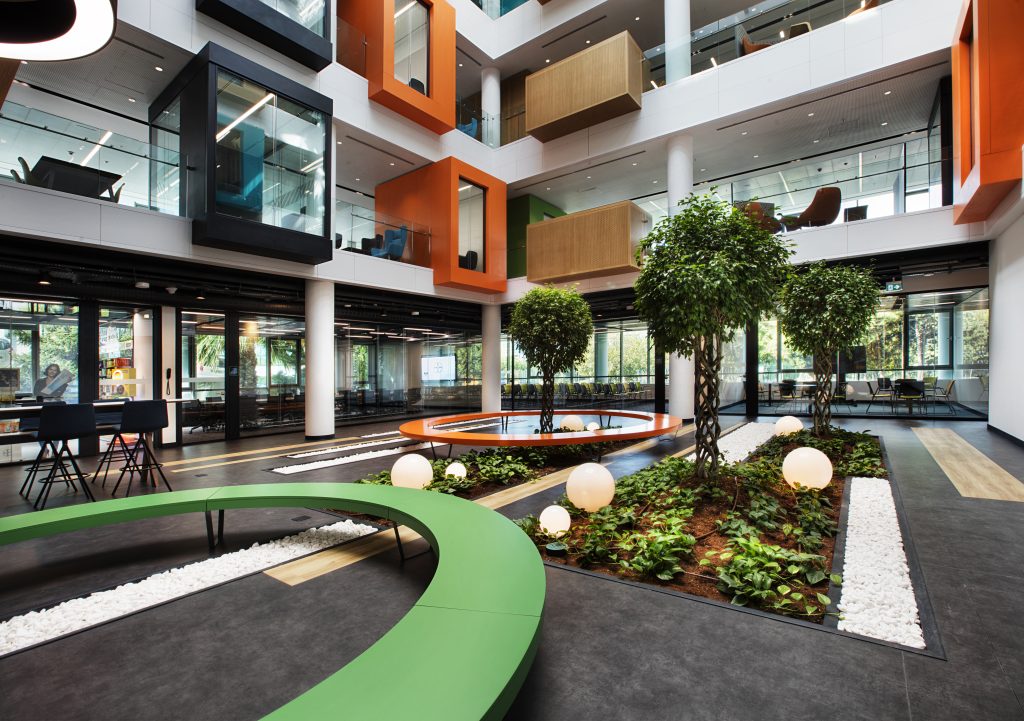
You cannot achieve a flow state if your body is uncomfortable. The future of workplace wellness relies on smart ergonomic furniture that adapts to human movement. Adjustable standing desks, dynamic seating, and proper monitor positioning ensure that physical strain never interrupts deep intellectual breakthroughs.
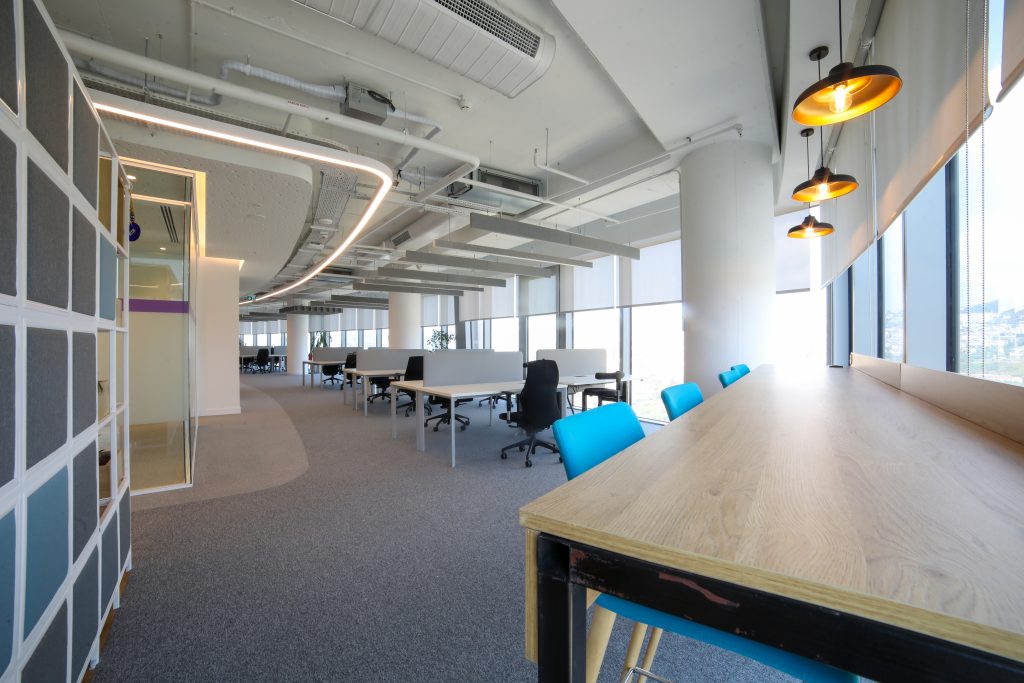
Lighting directly dictates our energy levels and focus. Harsh, static fluorescent lights induce headaches and fatigue. To avoid structural pitfalls during transitions, check out our recent study on 5 Common Mistakes in Office Renovation, which details how integration errors can impact environmental comfort and performance.
To implement these changes effectively, consider the following structural balance in your next office renovation:
| Focus Area | Key Architectural Element | Main Cognitive Benefit |
| Acoustic Control | Double-glazed glass & acoustic panels | Minimizes auditory distractions |
| Visual Privacy | Frosted glass & strategic plant placement | Eliminates peripheral interruptions |
| Climate Comfort | Smart zoning thermostats | Maintains optimal brain performance |
Mastering the architecture of concentration requires a deliberate shift from chaotic open layouts to structured, human-centric ecosystems. By investing in strategic spatial layout and acoustic management, businesses can unlock unprecedented levels of employee focus. Is your corporate workspace truly optimized to support your team’s highest intellectual potential?
To see these design principles in action, you can explore our completed workspaces on our Projects page or discover more design insights directly on the Diem UK Blog to stay ahead of upcoming workplace transformations.