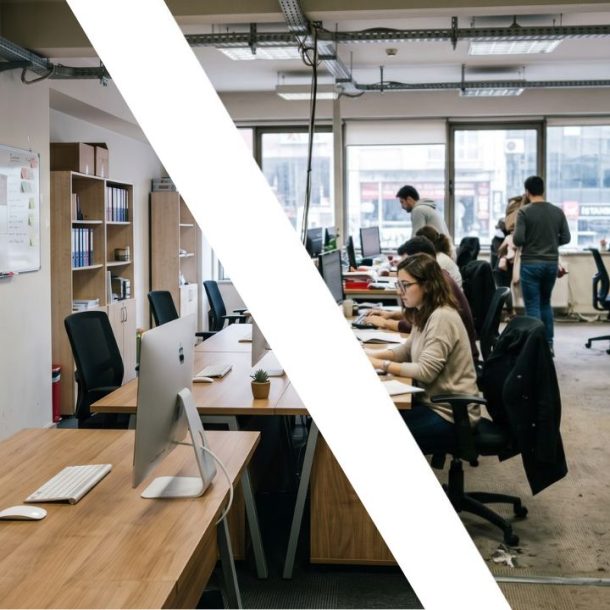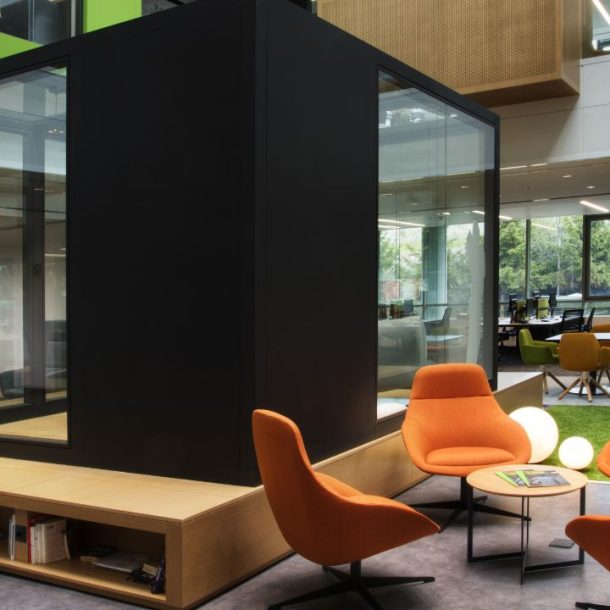

The traditional boundary between where we work and where we find community has effectively dissolved. As we move further into 2026 the “Third Place Paradox” has emerged as one of the defining challenges in workspace strategy. The office is no longer competing with other office spaces, but the allure of the sensory appeal and comfort of the local cafeteria.
For organisations seeking to increase office occupancy, this shift demands a more than merely functional design. The work place must evolve beyond providing desks to becoming a compelling destination. One that rivals the warmth, flexibility and experience of a hospitality environment.
Understanding the Third Place Paradox in 2026
Sociologist Ray Oldenburg originally defined the “Third Place” as a social environment distinct from the home (the First Place) and the office (the Second Place). Today, the paradox lies in the reversal of that distinction: to attract and retain talent, the Second Place must increasingly look, feel, and function like the Third Place.
Recent shifts in global working patterns indicate that employees are drawn to the “café vibe”—the ambient energy of shared space, the sensory cues such as the aroma of fresh coffee, and the freedom to choose from a variety of ergonomic settings all this without the need to commute. However, cafés inherently lack the infrastructure and functionality required for sustained professional work. It is within this gap that hospitality led office design offers a clear strategic advantage.
The Café vs. The Modern Office: A Comparison
| Feature | The Local Café Experience | The 2026 Optimized Office |
| Atmosphere | High sensory engagement, casual. | Professional yet “cozy” (Resimercial). |
| Acoustics | Uncontrolled background noise. | Sound-masked zones & acoustic pods. |
| Biophilia | Minimal/Random plants. | Integrated WELL-standard biophilic design. |
| Connectivity | Public, often unstable Wi-Fi. | High-speed, secure BIM-integrated tech. |
| Furniture | Aesthetics over ergonomics. | “Truth to materials” + Ergonomic support. |
3 Strategies to Compete with the Café Culture
To bridge this gap effectively, organisations must embed elements of hospitality into the very fabric of their architectural approach. At Diem UK, this transition is guided by a series of considered design principles:
1.Prioritizing Sensory Design and Biophilia
A key driver behind the enduring appeal of cafés is their atmosphere. Within the workplace, this can be achieved through biophilic design, integrating natural light, indoor planting, and organic materials to create a more immersive and restorative environment. Aligning with WELL Building Standard frameworks, a focus on indoor air quality and natural finishes does more than replicate the café experience, it also enhances it, contributing to reduced stress levels and improved cognitive performance.
2. Acoustic Comfort: The “Right” Kind of Noise
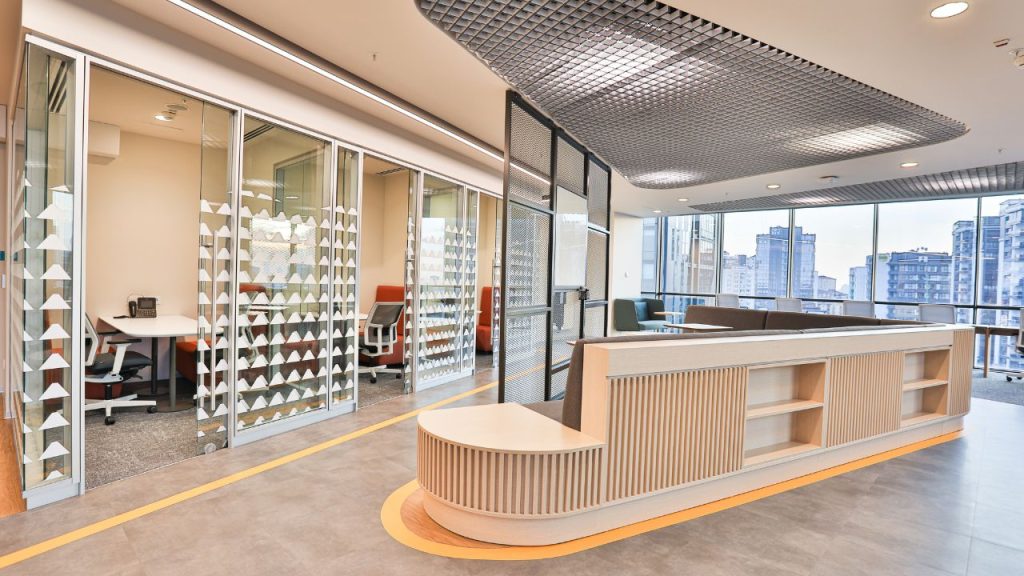
While cafés offer a sense of ambient energy, they often fall short in supporting sustained concentration. A well-designed workplace addresses this through acoustic zoning. By incorporating softer materials such as timber and felt, in line with the principle of “truth to materials”, it is possible to create a balanced soundscape. Spaces that retain a subtle social hum alongside quieter zones designed for focused, deep work.
3. The Power of Choice and Flexibility
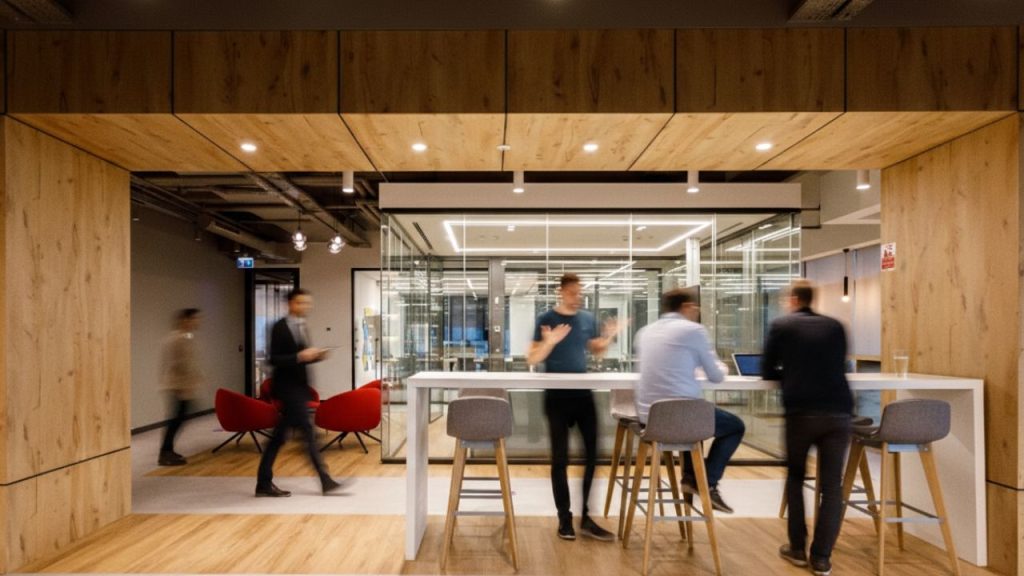
A defining feature of the café experience is autonomy; guests choose where and how they sit according to their needs and mood. The 2026 workplace must reflect this same level of flexibility. From high-top “bar” seating designed for transient tasks to informal lounge settings that encourage collaboration, spatial variety is essential. Providing employees with genuine choice is key to competing with the freedom offered by remote work.
Why Hospitality-Led Design Is Central to ESG?
The integration of hospitality principles into workplace design is not merely a trend, it is increasingly aligned with the priorities of modern Environmental, Social, and Governance (ESG) frameworks. Creating environments where people actively want to spend time supports employee retention and strengthens organisational culture. At the same time, a commitment to sustainable architecture using durable, responsibly sourced materials ensures that the workplace remains a resilient, high performing asset over the long term.
Conclusion
The “Third Place Paradox” underscores a fundamental shift, the office must now earn the employee’s commute. By combining the comfort and informality of the café with the precision and performance of high-quality workplace design, organisations can create environments that support both wellbeing and productivity. The future of work is no longer defined solely by location, but by the experience a space delivers and how it makes one feel.
Discover the Future of Your Workspace
Ready to transform your office into a destination that inspires your team?